Introduction: The Urgent Need for Balance in Modern Work
In today’s fast-paced corporate environment, the line between high performance and burnout is dangerously thin. Many companies push for productivity at all costs, inadvertently fostering a culture that prioritizes output over employee health. This is unsustainable. The result is often high turnover, decreased morale, and a decline in the very performance metrics the company seeks to boost.
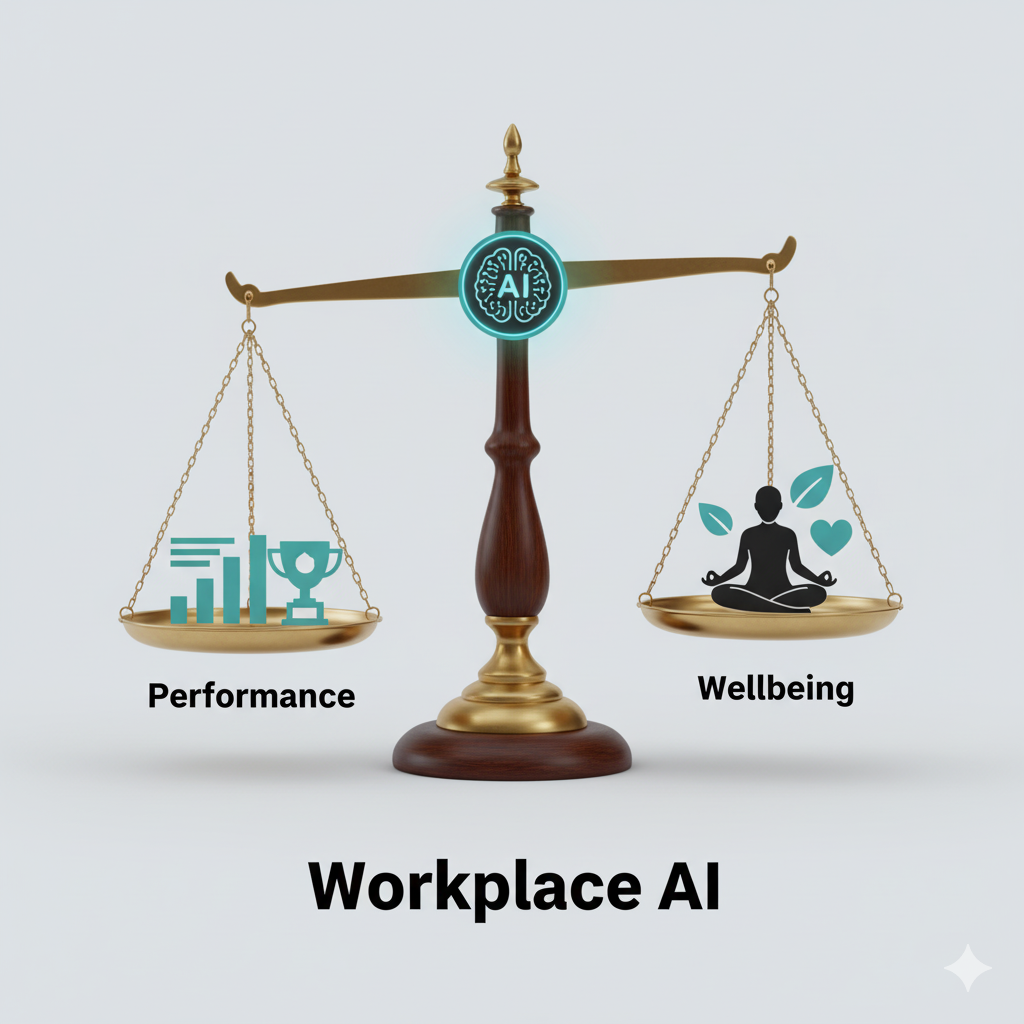
To truly thrive, businesses must commit to building a robust and empathetic Performance & Wellbeing Culture. This shift requires more than just yoga classes; it demands intelligent, data-driven solutions. The key to achieving this vital balance lies in the strategic use of Workplace AI. By providing objective insights into how employees work, AI tools can help identify the root causes of stress and enable proactive intervention, guiding organizations From Burnout to Balance.
- The Cost of Neglecting Employee Wellbeing
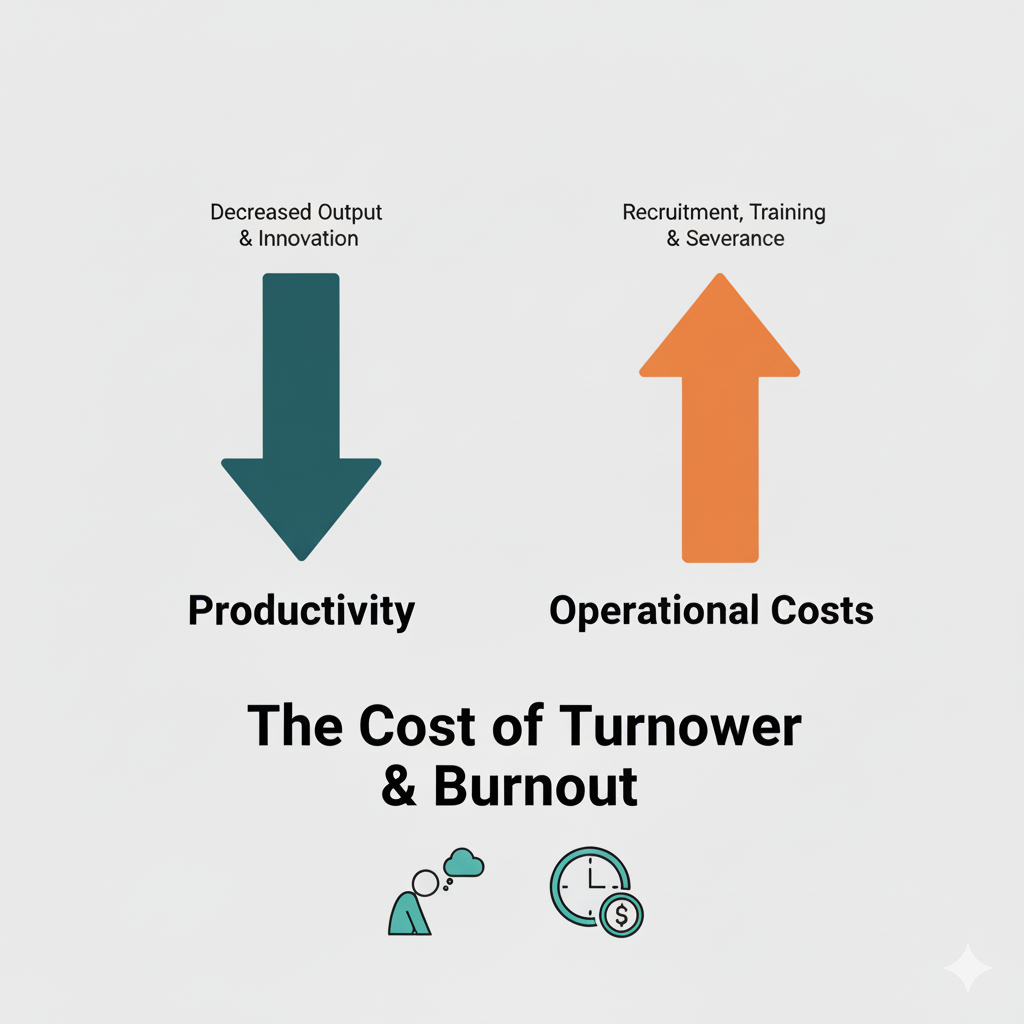
The failure to establish a healthy Performance & Wellbeing Culture carries significant financial and human costs. Unmanaged stress and burnout lead to higher instances of sick leave, reduced focus time, and ultimately, lower quality of work. Furthermore, the cost of replacing an experienced employee in Malaysia can be substantial, often exceeding six months of that employee’s salary.
The problem is often a lack of objective visibility. Managers, especially in hybrid settings, rely on anecdotal evidence or self-reported status updates, which often fail to reveal the early warning signs of stress or overwork. Without data, the cycle of pushing until an employee breaks is difficult to interrupt. Embracing Workplace AI is an investment in human capital that guarantees sustainable performance by protecting the wellbeing of your most valuable assets.
3. Workplace AI as the New Compass for Performance & Wellbeing
How can technology help bridge the gap From Burnout to Balance? Workplace AI provides the objective data necessary to transform good intentions into measurable action, creating a genuinely supportive Performance & Wellbeing Culture across the organization.
3.1. Identifying the Root Causes of Burnout, Not Just the Symptoms
A common misconception is that AI is just about tracking hours. On the contrary, advanced Workplace AI tools, such as Teamtrics, analyze subtle patterns of work. They look for indicators like:
- Consistent Late Hours: An employee regularly working beyond typical hours, signaling over-commitment.
- Context Shifting: Rapid, frequent switching between numerous tasks, indicating poor focus or excessive multitasking.
- Low Value vs. High Value Task Mix: An unhealthy ratio skewed toward administrative tasks, preventing deep, high-impact work.
By highlighting these patterns, the AI provides an early warning system, allowing managers to address the workload structure before the employee reaches crisis point.
3.2. Fostering a Culture of Proactive Management
The shift enabled by Workplace AI is moving away from reactive performance reviews to proactive coaching. When a manager sees an AI alert about potential capacity strain, they can initiate a helpful conversation, framed around support: “I noticed your focus time has been low this week. Is there anything I can take off your plate?”
This approach instantly enhances the Performance & Wellbeing Culture because it signals that the company is using data to care for its people, not just to check on them. This builds trust and encourages employees to be transparent about their challenges, a cornerstone of sustainable performance.
3.3. Personalised Wellbeing Strategies
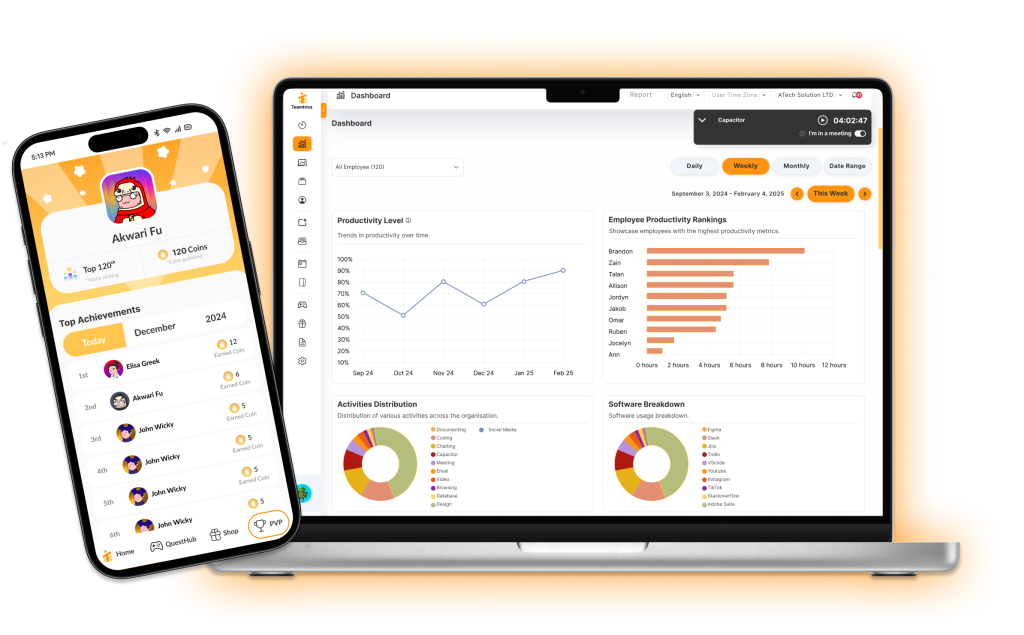
Workplace AI doesn’t just benefit managers; it empowers employees. Tools like Teamtrics can provide personalized, data-driven feedback directly to the user about their own work habits. For instance, an employee might see that their most focused and productive time is between 10 AM and 1 PM. Armed with this insight, they can self-manage their schedule to prioritize deep work during those golden hours, consciously blocking out distractions and reducing the likelihood of stress and low-value work. This self-improvement capability is integral to a mature Performance & Wellbeing Culture.
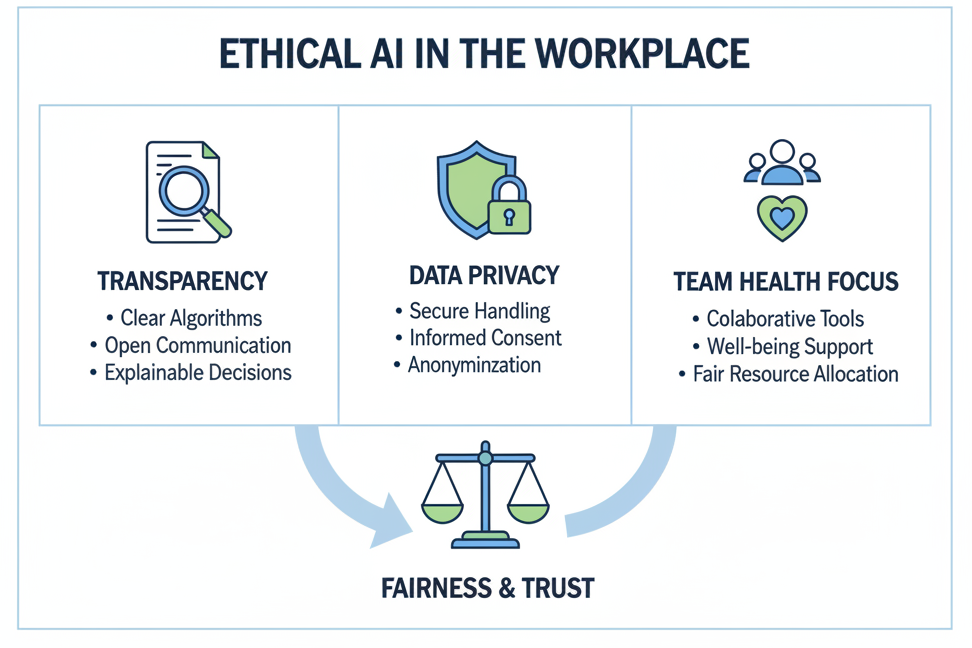
- Making the Transition: Ethical AI Implementation
To successfully leverage Workplace AI to build a Performance & Wellbeing Culture, organizations must prioritize ethical implementation:
- Transparency: Clearly communicate to employees that the AI is a tool for mutual success, to improve work effectiveness and protect wellbeing, not a surveillance device.
- Focus on Trends: Use the data to identify systemic issues (e.g., specific departments habitually overworking) rather than using it to micromanage individuals.
- Employee Ownership: Ensure employees have control and visibility over their own data insights, empowering them to drive their own Burnout to Balance journey.
This ethical framework ensures that the technology genuinely enhances the human side of work.
- Conclusion: The Future of Sustainable Performance
Achieving balance between high output and employee health is no longer a luxury, it is a business imperative. The path From Burnout to Balance is paved with intelligent insights provided by Workplace AI. By adopting platforms like Teamtrics, companies can move beyond guesswork and reactive measures, creating a truly sustainable, data-driven Performance & Wellbeing Culture where employees are valued, supported, and positioned for long-term success.
Frequently Asked Questions (FAQ)
- How does Workplace AI measure employee wellbeing without being invasive?
Workplace AI does not monitor personal communication or activities. Instead, it measures wellbeing indicators through aggregated work patterns, such as unusual working hours (consistently late or erratic) and high rates of digital context switching. These objective, non-invasive patterns serve as proxies for potential strain, allowing managers to intervene supportively.
- Is this approach focused more on performance or wellbeing?
The strength of the modern Performance & Wellbeing Culture lies in their integration. Workplace AI recognizes that the two are inseparable. By addressing work patterns that lead to burnout (wellbeing), the employee is enabled to perform at a higher, more sustainable level (performance). The goal is symbiotic growth.
- How is Teamtrics different from standard time-tracking software?
Standard time-tracking software focuses on duration (how many hours were logged). Teamtrics is a strategic Workplace AI platform that focuses on quality and capacity. It provides insights into focus time, cognitive load, and capacity utilization, allowing organizations to manage work effectiveness and prevent overcommitment, the core drivers of a healthy Performance & Wellbeing Culture.
Stop managing symptoms
and start building resilience.
Request a personalized demo of Teamtrics today and see how our Workplace AI can transform your organization From Burnout to Balance, creating a thriving Performance & Wellbeing Culture for sustainable growth.