Traditional HR reports show data, not early warning signs. By the time burnout appears in reports, it’s already too late. Learn why static HR analytics and manual employee review software fail to capture the emotional pulse of hybrid teams. Discover how AI-powered productivity, workforce intelligence, and hybrid team management tools like Teamtrics provide real-time insights into performance, workload, and well-being. Designed for remote and hybrid team management, Teamtrics combines project management, HR solutions, and AI analytics to help leaders build sustainable productivity and a performance-driven culture. Transform your workplace with smarter data, not more reports.
Why HR Reports Can’t Tell You When Burnout Is Coming
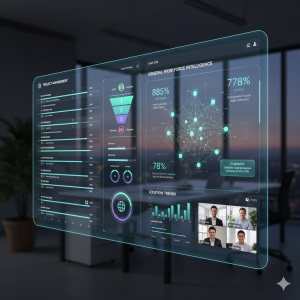
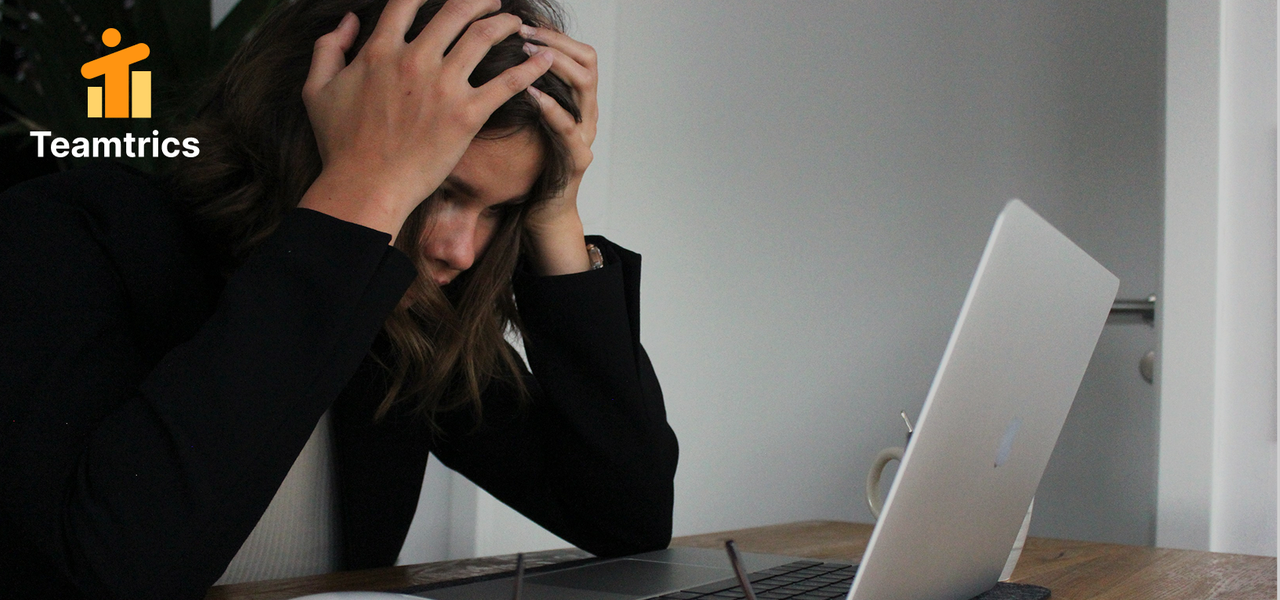
HR reports & ordinary hybrid team management tools often give leaders a false sense of control. They track attendance, performance scores, and engagement surveys, but miss the subtle behavioral shifts that signal burnout. Static data tells you what happened, not what’s coming next. In hybrid and remote work environments, this visibility gap is even wider. Employees may appear productive, but energy, motivation, and engagement quietly decline before metrics drop. That’s where AI-powered workforce intelligence platforms like Teamtrics step in, offering dynamic insights that go beyond traditional HR solutions to show where time, energy, and people are truly being allocated.

Discover how AI workforce intelligence transforms HR visibility.
The Blind Spot in Traditional HR Data
Conventional HR software & hybrid team management tools was built for compliance, not prediction. Reports often arrive after key issues surface, missed deadlines, quiet quitting, or team fatigue. In modern SaaS project management environments, reactive data is no longer enough. AI workforce intelligence transforms how leaders understand productivity and well-being by detecting early behavioral patterns that indicate stress or disengagement. It connects dots across remote and hybrid employee management systems to reveal trends before they escalate.
Static Reports vs. Dynamic Workforce Intelligence
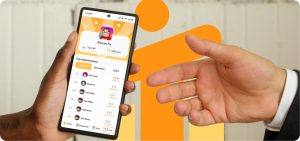
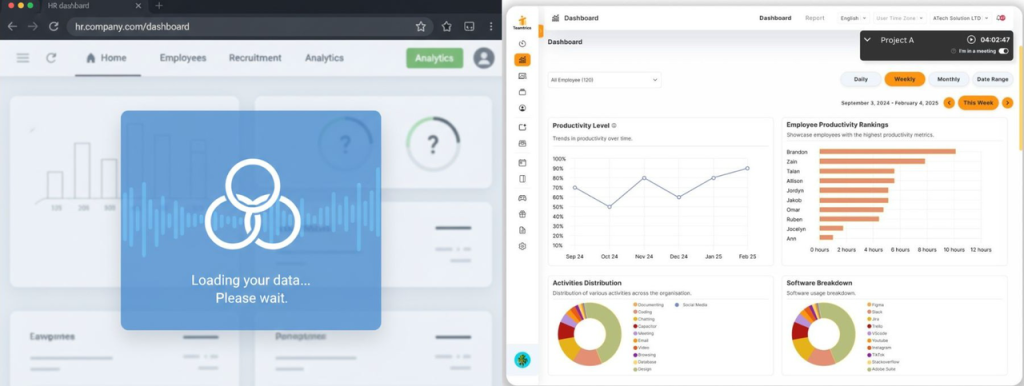
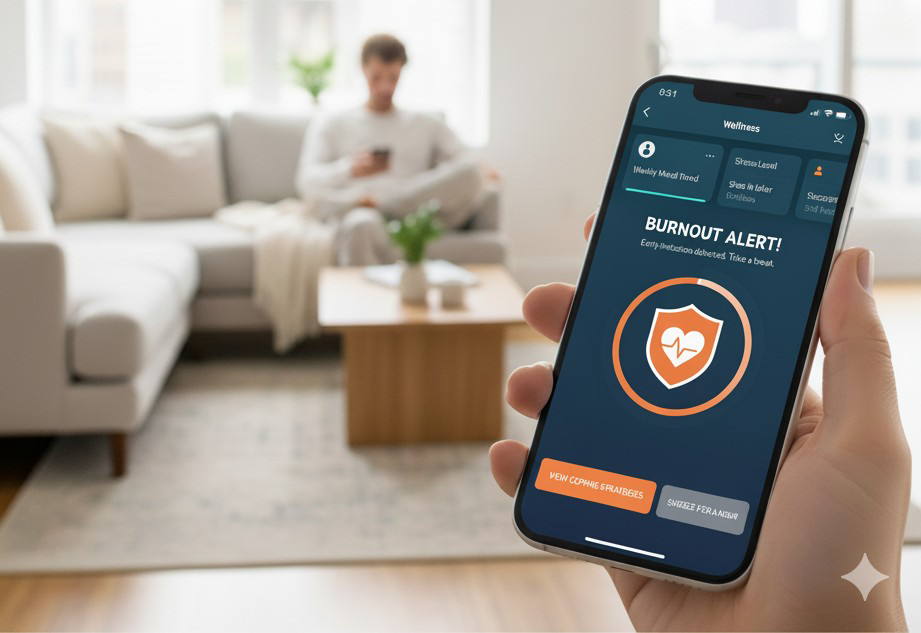
Most HR & hybrid team management tools operate in snapshots, monthly or quarterly updates that can’t reflect ongoing changes in hybrid workflows. AI-powered workforce intelligence platforms like Teamtrics continuously analyze behavioral signals, productivity patterns, and collaboration data. Instead of waiting for burnout to appear in reports, leaders get proactive alerts through the mobile app when risks rise. This empowers management to respond quickly, balancing performance and well-being without micromanaging.
Experience the next generation of productivity intelligence.
The Hidden Cost of Reactive HR Management
Reactive reporting drains productivity and morale. By the time HR identifies burnout, the damage, turnover, disengagement, and missed targets, is already done. In hybrid or agile project management settings, this lag is costly. Teamtrics’ AI analytics for productivity identifies subtle workload imbalances and collaboration fatigue early on, helping leaders reallocate resources before performance dips. It’s not just about managing employees; it’s about managing energy intelligently. Teamtrics consider as great hybrid team management tools.
How Teamtrics Turns Data into Early Intervention
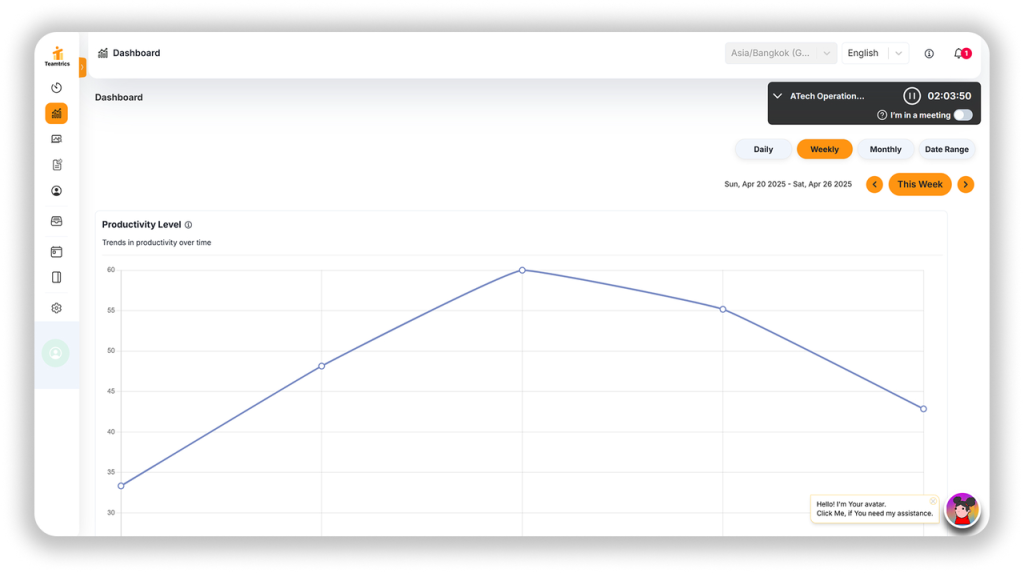
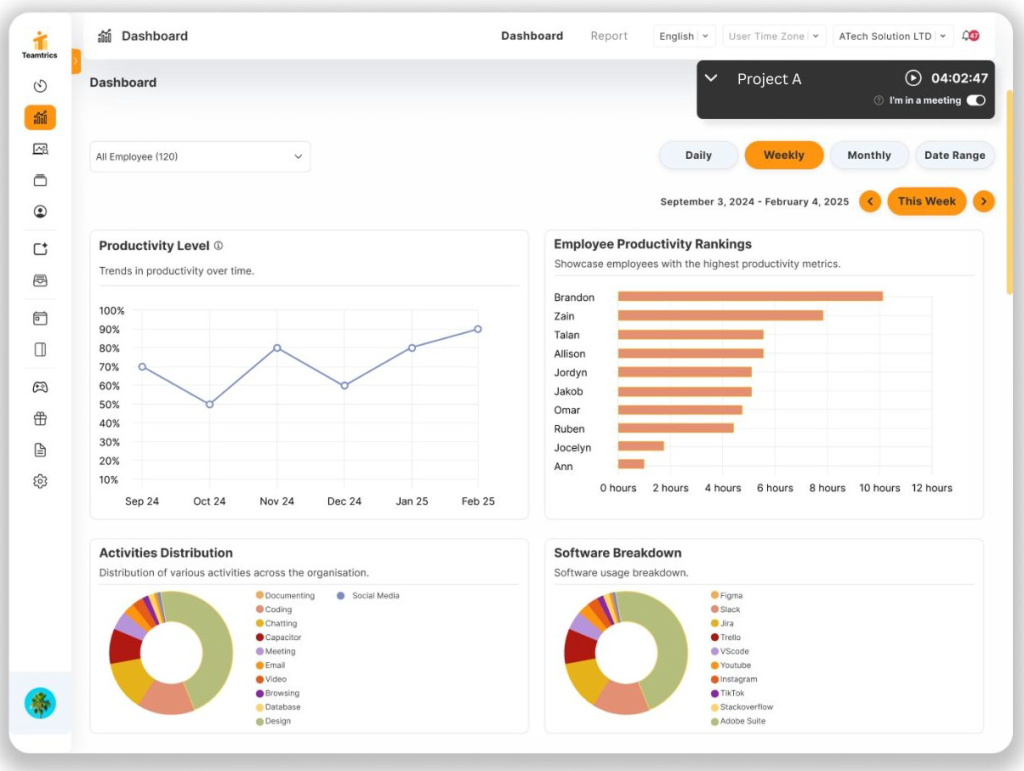
Teamtrics combines AI analytics, behavioral insights, and gamified engagement to deliver a holistic view of your workforce as a suitable hybrid team management tool. The system tracks real-time patterns across productivity, collaboration, and sentiment metrics to forecast potential burnout or disengagement. Managers receive intelligent alerts that highlight areas needing attention. Unlike traditional HR solutions, Teamtrics aligns productivity with employee well-being, creating a transparent and performance-driven culture that sustains long-term results.

See Teamtrics in Action: Start measuring what truly matters, energy, engagement, and output.
Summary
Traditional HR reporting tools &hybrid team management tools fail to predict burnout because they rely on static, outdated data. As teams become increasingly hybrid and project-driven, the need for real-time visibility grows. Teamtrics, an AI-powered workforce intelligence platform, empowers leaders to see beyond reports, detecting hidden stressors, performance bottlenecks, and engagement declines before they affect productivity. Built for modern SaaS environments, it bridges HR and IT, uniting project management and well-being under one intelligent system. Transform your workplace with AI analytics for productivity, sustainable performance metrics, and ethical workforce visibility. Teamtrics helps leaders manage smarter, not harder, because prevention is always better than reaction.
FAQ
- Why can’t traditional HR reports detect burnout early?
Most HR systems rely on static, backward-looking data such as attendance or survey results. These metrics miss real-time behavioral shifts that precede burnout. AI-powered workforce intelligence platforms like Teamtrics continuously analyze live productivity and engagement data, enabling managers to detect and address burnout risks before they impact performance. - How does Teamtrics help prevent employee burnout?
Teamtrics uses AI analytics for productivity to identify workload imbalances, engagement drops, and collaboration fatigue. Its mobile app sends proactive alerts to leaders, allowing timely interventions. This creates a healthier, more transparent culture that balances well-being and performance, perfect for remote and hybrid team environments.