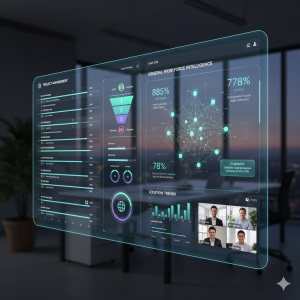
In the modern workplace, many leaders believe they have a pulse on their team’s output. However, without General Workforce Intelligence, most are simply navigating in the dark. As Remote work and Hybrid work become the standard, the gap between perceived performance and actual productivity is widening. Breaking leadership resistance to new data-driven methods is essential. By implementing high-level Workforce Intelligence, organizations can move beyond basic time tracking and embrace a Future of work built on transparency, SaaS efficiency, and optimized workflows.

The Reality of WFA: Why Traditional Tracking Fails
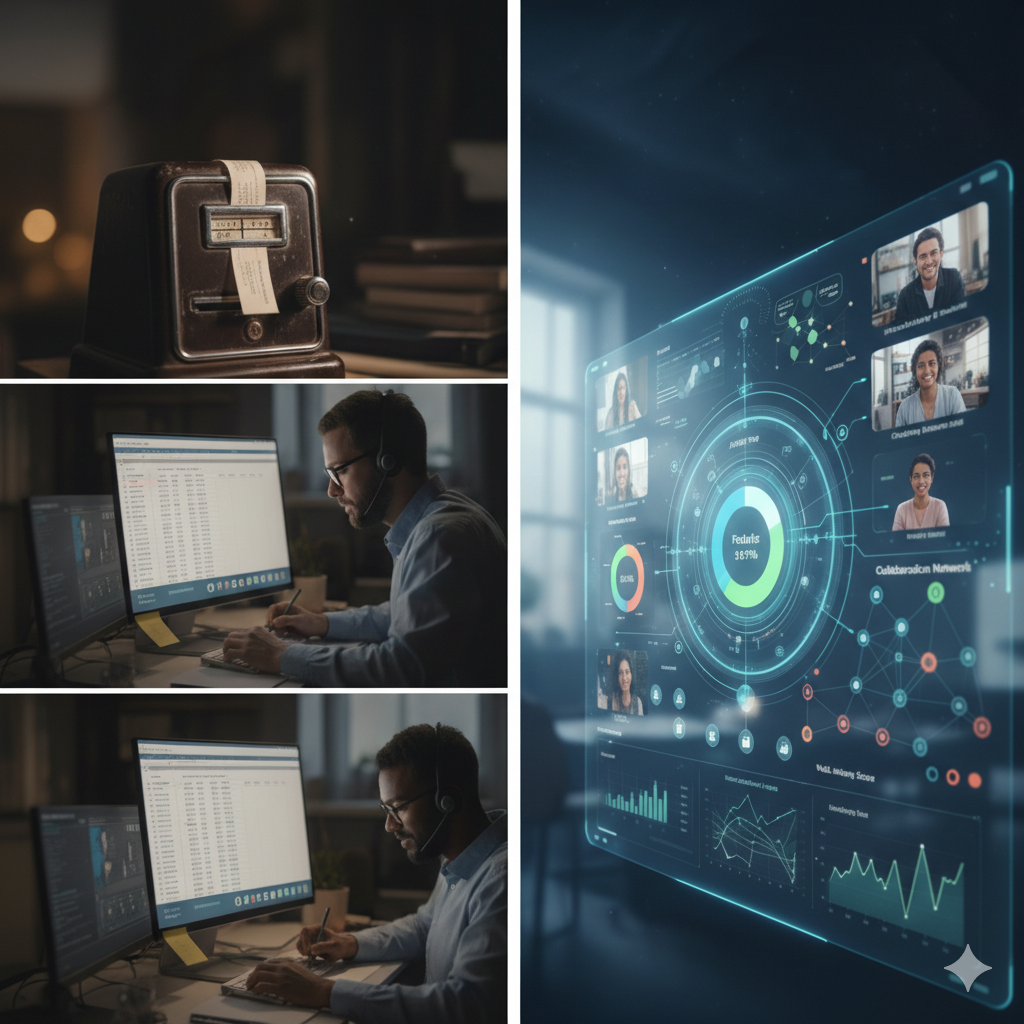
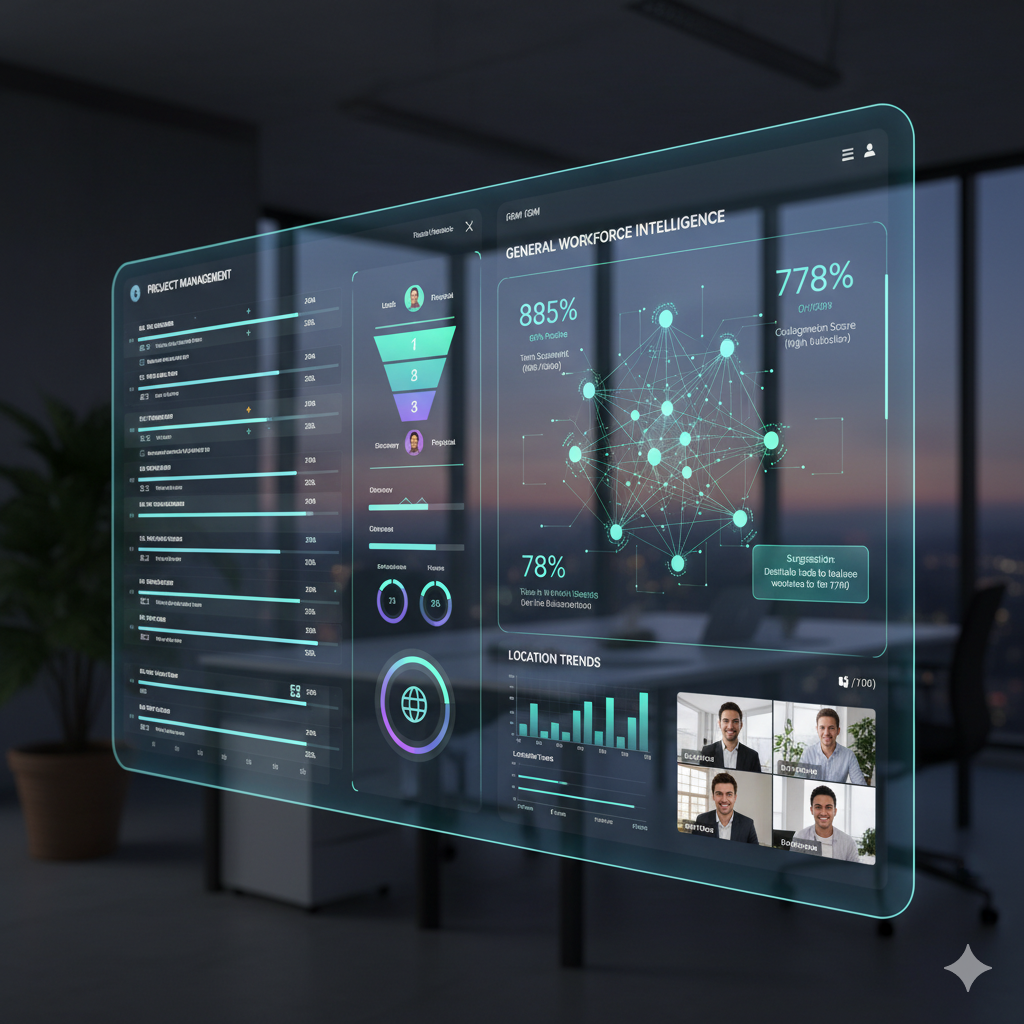
The shift to WFA (Work From Anywhere) has rendered traditional “line-of-sight” management obsolete. Many leaders rely on manual time tracking or occasional performance reviews, but these methods lack the depth needed for a Scrumor Agile environment. General Workforce Intelligence provides a macro-view of how work actually happens. Instead of monitoring hours, it analyzes team collaboration patterns and identifies bottlenecks within your project management software. This shift from surveillance to intelligence is the key to Breaking Leadership Resistance in the digital age.
Leveraging SaaS and Project Management Software for Visibility
To stay competitive, companies are turning to integrated SaaS solutions. Effective project tracking software is no longer just about checkboxes; it is about data integration. When Workforce Intelligence is paired with CRM software and CRM marketing tools, leaders gain a 360-degree view of both internal operations and external results. This alignment ensures that workflows are not just active, but effective. By using SaaS to bridge the data gap, organizations can ensure that team collaboration remains high, even in a decentralized WFH setup.
Overcoming Resistance: Data as a Bridge, Not a Barrier
Breaking Leadership Resistance often requires a change in mindset, viewing data as a tool for empowerment rather than a metric for punishment. Workforce Intelligence allows for a more empathetic performance review process. It identifies who is overworked and who is underutilized, allowing for a healthier Performance & Wellbeing culture. By utilizing project tracking software to highlight achievements rather than just hours, leaders can foster trust. This transparency is the cornerstone of the Future of work, turning IT infrastructure into a competitive advantage.

Conclusion: The Future of Work is Informed
The transition to Hybrid work and Remote work is not a temporary trend; it is the new reality. Organizations that fail to adopt General Workforce Intelligence will struggle with “data blindness” and internal resistance. By integrating SaaStools, project management software, and advanced tracking analytics, leaders can finally align their perception with reality. To succeed in the Future of work, you must stop managing by intuition and start leading with General Workforce Intelligence.
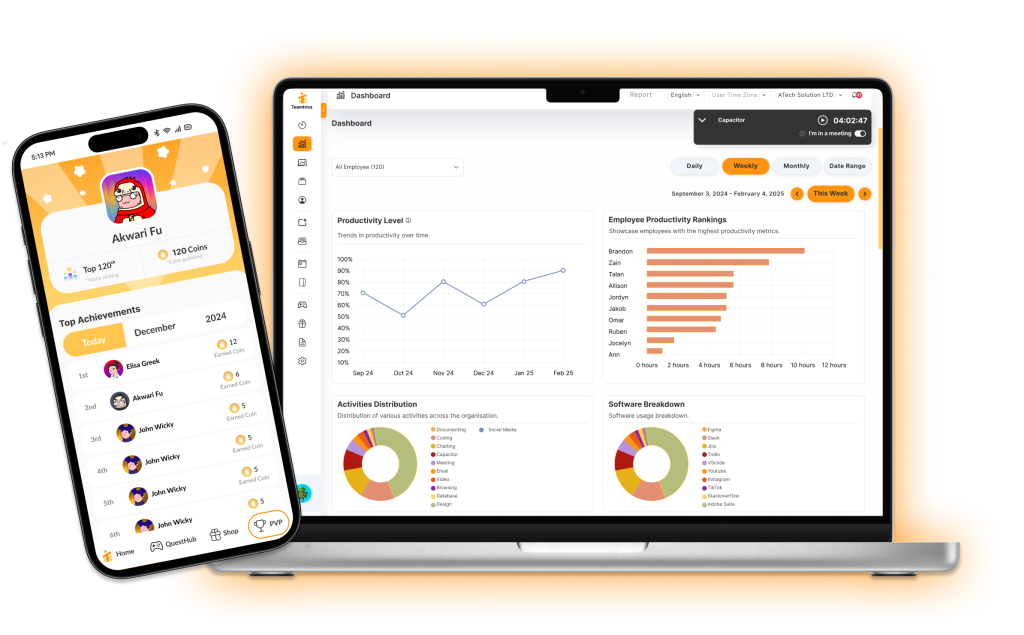
Request a personalized demo of Teamtrics today
and see how our Teamtrics can transform your organization.
FAQ: Navigating the New Leadership Landscape
- What is the difference between time tracking and Workforce Intelligence?
While time tracking simply measures hours spent on a task, General Workforce Intelligence analyzes how those hours impact overall productivity, team collaboration, and project health within your SaaS ecosystem. - How does Workforce Intelligence help with Hybrid work?
It provides a unified view of performance regardless of location. It ensures that WFH employees are just as visible and supported as those in the physical workplace, optimizing workflows and preventing burnout through data-backed performance reviews. - Can Workforce Intelligence integrate with my existing CRM software?
Yes. Modern Workforce Intelligence is designed to work alongside CRM software and project management software, allowing leaders to see how internal team collaboration directly influences external CRM marketing results and client satisfaction.