Introduction: The New Reality of Work in Malaysia
The shift to remote and hybrid work models in Malaysia has brought unprecedented flexibility, but it has also introduced complex challenges. Leaders are grappling with how to effectively measure performance and, more critically, how to sustain a healthy Performance & Wellbeing Culture when employees are not physically present. Traditional metrics often fall short, leading to fears of micromanagement and employee burnout. To thrive in this new landscape, businesses must move beyond simple tracking and embrace a smarter, more empathetic approach.
The solution lies in the strategic adoption of Workplace AI. These platforms are no longer just about efficiency; they are fundamentally redefining how remote and hybrid Malaysian teams achieve high performance while actively nurturing their wellbeing. The future of sustainable productivity in Malaysia is intelligent, data-driven, and people-first.
- The Blurry Lines: Why Traditional Performance Metrics Fail in Hybrid Settings
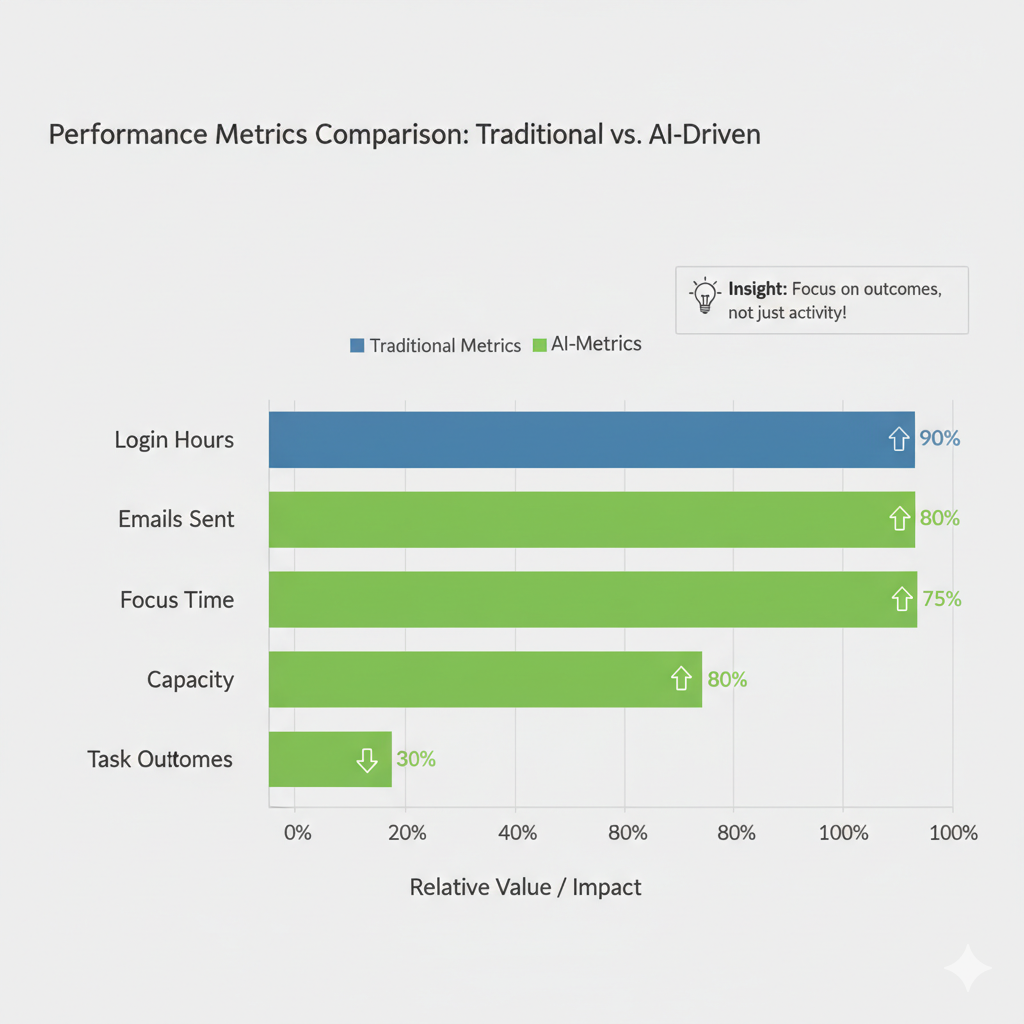
In a traditional office setting, performance was often equated with “time spent at the desk.” This outdated approach is both inaccurate and detrimental, especially for remote and hybrid Malaysian teams. When work-life boundaries blur, as research suggests they often do for remote workers in Malaysia, focusing solely on hours can mask deeper issues like chronic overwork and digital exhaustion.
Traditional performance reviews, which are often retrospective and infrequent, do not offer the real-time insights needed to proactively manage an employee’s workload and stress levels. This creates a disconnect: the company might see high output, but it comes at the expense of employee wellness, leading to higher turnover rates and eventual performance decline. To truly foster a positive Performance & Wellbeing Culture, organisations need tools that can measure the quality of work and the capacity of the worker, not just the clock-in time.
- How Workplace AI Redefines Performance & Wellbeing Culture
Workplace AI is the crucial link that bridges the gap between productivity and wellness, transforming the Performance & Wellbeing Culture in three key areas:
3.1. Shifting from Activity Tracking to Capacity & Focus
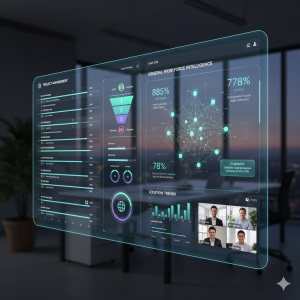
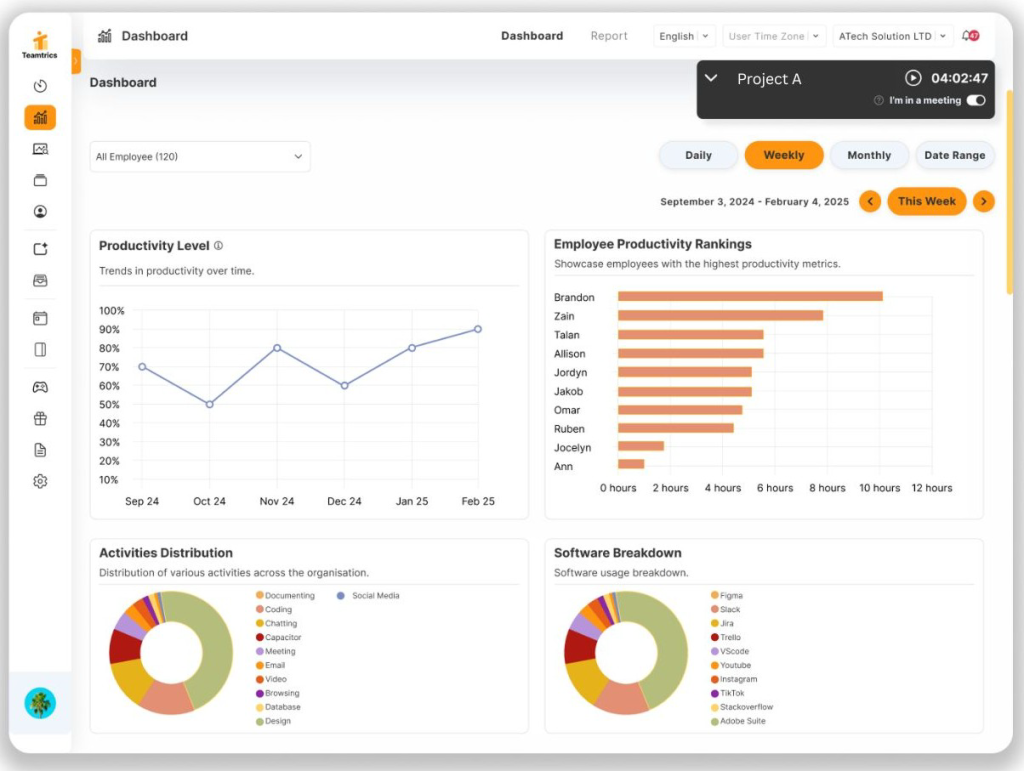
Modern Workplace AI platforms use sophisticated analytics to track indicators of deep, focused work rather than mere activity. Instead of logging keyboard strokes, AI identifies patterns of sustained engagement on key projects. For remote and hybrid Malaysian teams, this shifts the focus from suspicion-based monitoring to trust-based outcome delivery. Managers gain objective data on resource allocation and capacity, allowing them to prevent bottlenecks before they lead to stress. This data-driven clarity is vital for building a high-trust Performance & Wellbeing Culture.
3.2. Proactive Burnout Prevention and Wellness Insights
The most significant impact of Workplace AI on employee wellbeing is its ability to proactively flag burnout risks. By analyzing work patterns, such as consistently late working hours, or a sudden, unexplained surge in low-value, administrative tasks, the AI can alert managers to potential issues.
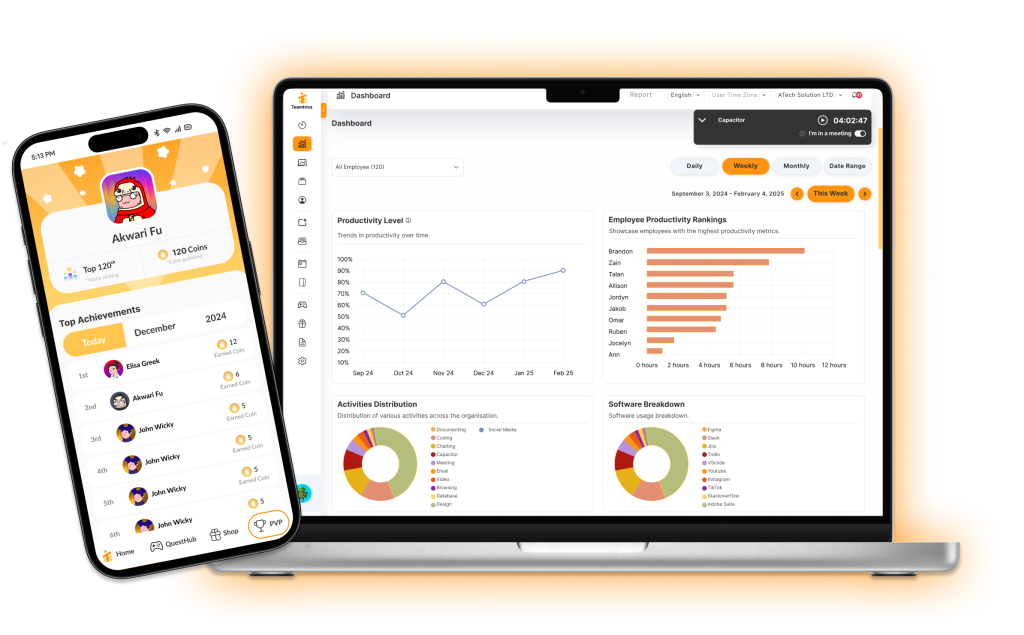
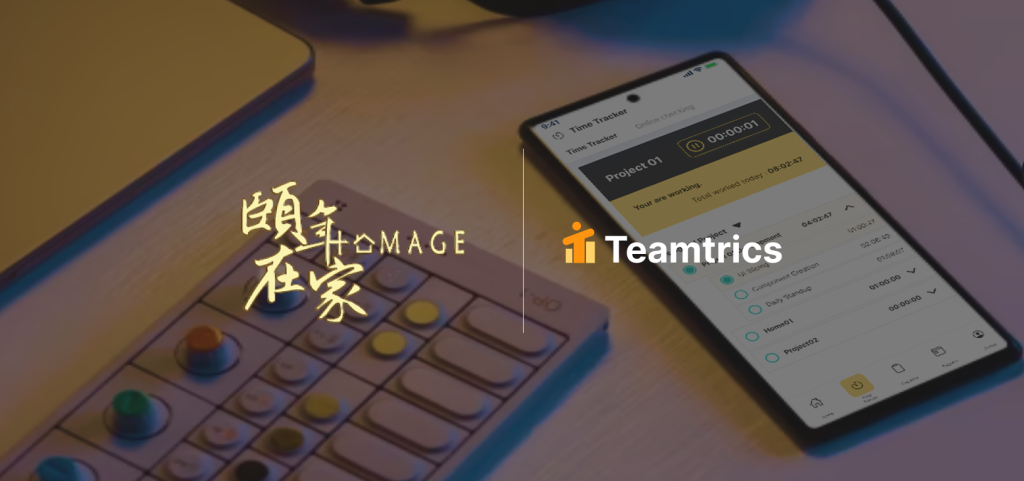
This is where solutions like Teamtrics excel. By combining performance data with wellness indicators, Teamtrics offers personalized insights for both the employee and the manager. It empowers the employee with tools to manage their focus time and encourages managers to initiate empathetic, data-informed check-ins. This approach embeds wellbeing into the day-to-day work structure, making it a cornerstone of the new Performance & Wellbeing Culture.
3.3. Fairer, More Objective Performance Management
Bias in performance reviews is a long-standing challenge, often exacerbated in a remote setting where in-person visibility is low. Workplace AI introduces an element of objective fairness. It provides a comprehensive, data-backed view of an employee’s contribution based on outcomes, project complexity, and collaboration patterns. For diverse remote and hybrid Malaysian teams, this ensures that performance evaluations are transparent, equitable, and focused purely on business results, strengthening trust and organizational alignment.
- Implementing AI Ethically: A Strategy for Malaysian Leaders
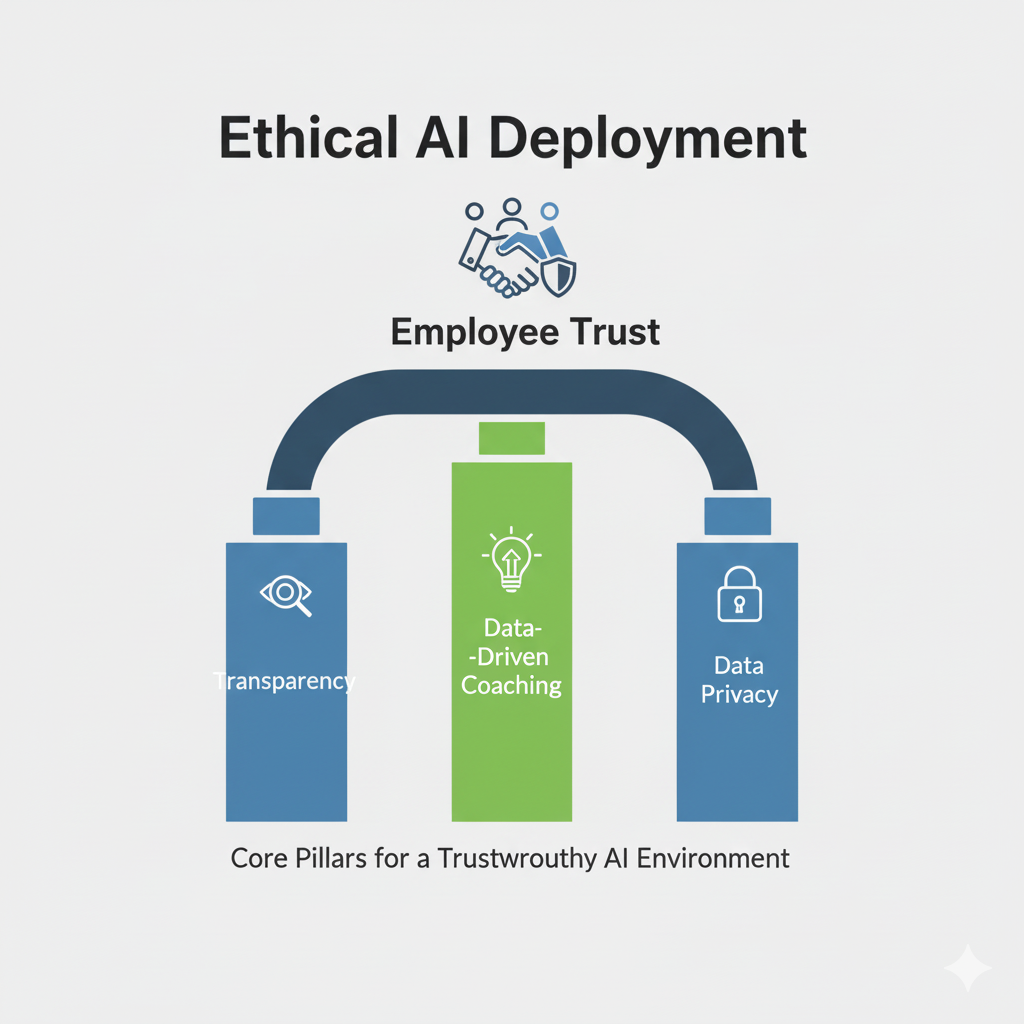
For Workplace AI to successfully redefine your Performance & Wellbeing Culture, implementation must be guided by ethical and transparent principles, which is particularly important in the Malaysian context where data privacy concerns are growing.
- Transparency is Key: Be completely upfront with your remote and hybrid Malaysian teams about what data is being collected and, crucially, why. Frame the AI tool as a resource for self-management and wellbeing support, not as a surveillance mechanism.
- Focus on Aggregate Insights: Leaders should prioritize using AI for team-level trends and resource planning rather than individual-level monitoring. Tools like Teamtrics are designed to provide strategic, high-level insights for management while offering personalized tools to the employee for self-improvement.
- Compliance and Privacy: Ensure your chosen Workplace AI solution adheres to all relevant Malaysian and global data protection standards, guaranteeing that employee information is secure and used ethically.
By adopting this people-first, transparent approach, Malaysian organisations can leverage Workplace AI to cultivate a resilient, high-achieving, and supportive Performance & Wellbeing Culture.
- Conclusion: A New Era of Sustainable Performance
The future of work for remote and hybrid Malaysian teams is one where Performance & Wellbeing Culture are intrinsically linked. Workplace AI is the engine driving this necessary transformation. By providing objective clarity on work patterns and capacity, platforms like Teamtrics empower both leaders and employees to achieve sustainable, high-quality performance without sacrificing mental or physical health. Embracing this technology is not just an efficiency gain; it is a strategic investment in your people and the long-term success of your organization.
Frequently Asked Questions (FAQ)
- How does Workplace AI prevent micromanagement in remote teams?
Workplace AI platforms like Teamtricsshift the focus from micromanaging time to managing outcomes and capacity. By providing managers with aggregated data on project progress and team bandwidth, it encourages strategic interventions (e.g., reallocating resources) rather than hourly scrutiny. The focus is on results and team health, fostering greater autonomy for the employee.
- Is using Workplace AI compliant with Malaysian employee privacy standards?
Any reputable Workplace AI tool must adhere to local data protection laws. For Malaysian companies, it is crucial to select a platform that is transparent about data collection, anonymizes data where possible, and focuses on work patterns rather than personal activities. Transparency with employees about the why and how is the best practice for compliance and trust.
- What specific features in Teamtrics support employee wellbeing?
Teamtrics supports wellbeing by offering insights into digital exhaustion, overwork patterns, and capacity misalignment. It provides employees with tools for time management and focus tracking, and alerts managers to potential burnout risks based on objective, non-invasive work pattern data, enabling timely and empathetic check-ins.